
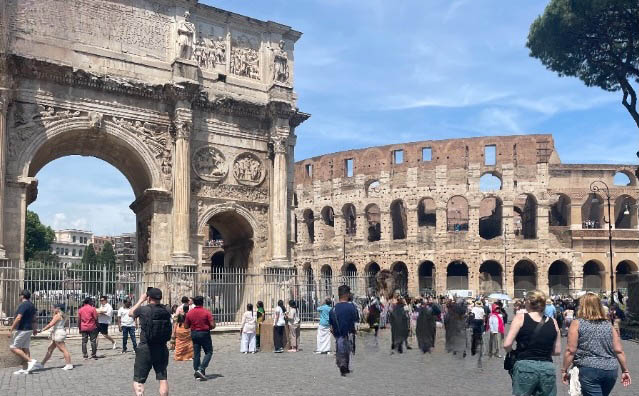
Who wouldn’t want to go to Rome, Italy? Not only is it known for it’s famous Roman architecture and archaeological sites, but the food and wine are amazing! AirBnB is a good option for finding affordable places to stay in Rome. The hotels are pretty pricey, but there are several AirBnB options in the area you may be interested in staying. We decided to stay in the Prati area, which was close things we wanted to see, but out of the main city center.
We spent a full day walking around seeing many of the famous sites around Rome, then we spent another morning exploring the Vatican before we enjoyed a pasta-making class in the afternoon. There are so many other places you can go and see, if you have more time, but below are some “must see” places. There are several options to book combined tickets, so be sure to look at the options for the things you want to see.
Be sure to check official websites for operating hours and ticket prices for the different places you want to go. Don’t trust Google hours, they are not always accurate.
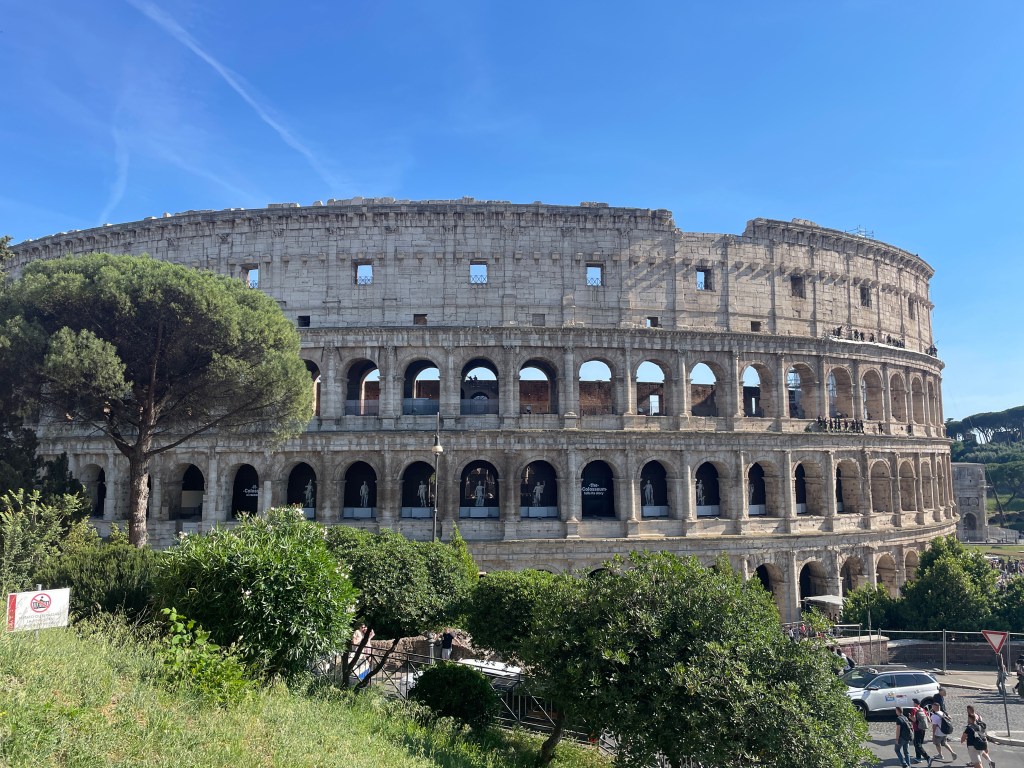
The Colosseum is a MUST SEE! You can walk around on your own or book a tour, depending on what all you want to see. We think a tour is worth it because it gives so much more information and details than us just walking around. But going underground in the tunnels may not be worth the extra cost. You can see the tunnels from above ground and the guide will tell you what all happened in the underground. A couple hours is sufficient to get the history and stories of the Colosseum. Maybe enjoy the evening tour to capture the sunset, depending on what time of year you are there. You can also walk around to see the Roman Forum and Palatine Hill, which are significant because they are considered to be the birthplace of the Italian capital. They are where political, religious, and social events and activities occurred. You can explore remnants of several temples that were built there.
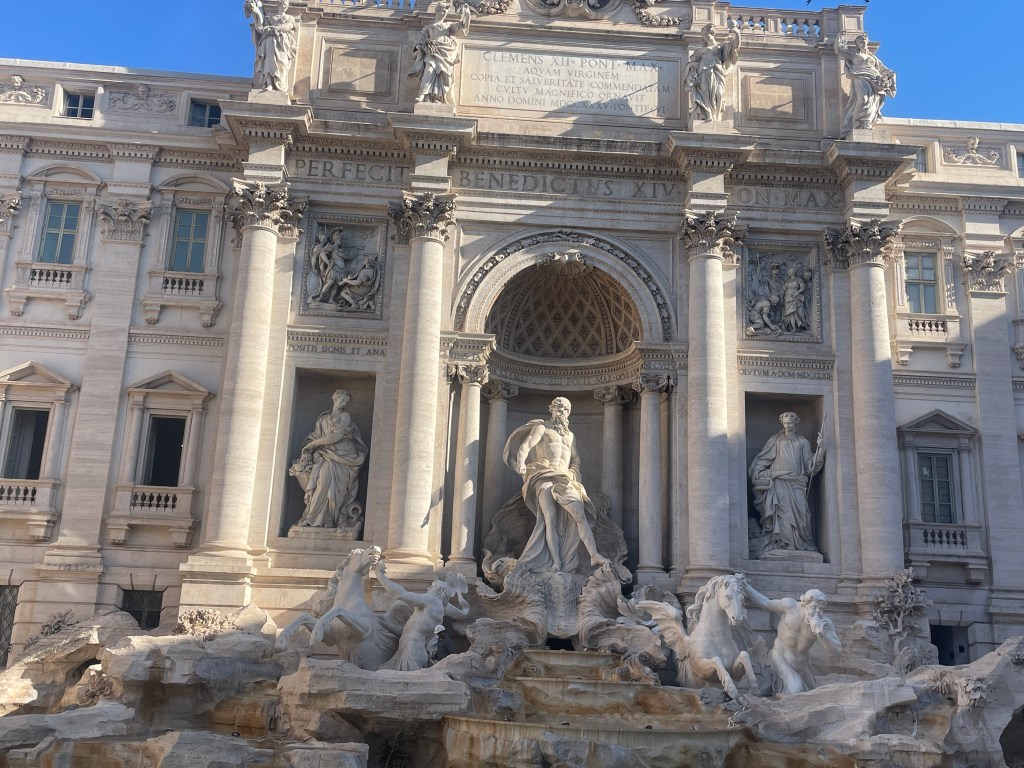
Trevi Fountain & Spanish Steps are worth stopping by to see. Trevi Fountain is said to be the most beautiful fountain in Rome, so it is recommended to go early in the morning before the crowd is too much. Be sure to check times to make sure the fountain isn’t closed for cleanings. The Spanish Steps are the longest and widest staircase in Europe, showcasing a beautiful Roman Baroque design, and they were built in the 1700s to connect the Spanish embassy with the church on the hill. Both places are free to visit, so grab some gelato or enjoy a snack and coffee at a nearby cafe.

You can not miss the Pantheon. The Pantheon is a former Roman temple known for its well-preserved ancient architecture, particularly its massive dome. It was originally dedicated to all the Roman gods. In the 7th century, it was converted to a Christian church. You have to purchase a ticket to enter, and be aware that you have to pick the date and time you want to arrive, so make sure you plan accordingly. You can purchase tickets and tours through 3rd party companies, or you can purchase entrance tickets directly from Musei Italiani.

Piazza Navona is a popular square near the Pantheon with buildings that were built on the ruins of the Stadium of Domitian, whose track’s shape and dimensions are still preserved. The area contains churches, the Brazilian embassy, restaurants, the Agonal Obelisk brought to Rome from the excavation sites of Aswan, and three spectacular fountains: the Fontana del Moro of an Ethiopian wrestling with a dolphin, the Fountain of Neptune, and the Fountain of the Four Rivers which represent Europe, Asia, Africa and America. Take your time enjoying the sites, sit down and have a drink or some food. It’s a beautiful area!

Vatican City was the most complicated and busiest place we visited. You can buy your tickets to the museums and the Sistine Chapel on the website directly for audio guides or guided tours. Here’s a blog post with some helpful tips on how to get there, options for what tours to do, and frequently asked questions. And here’s a blog post to help narrow down what to see in the Vatican Museums because they are among the largest museums in the world, and they can be very overwhelming. The Sistine Chapel is absolutely worth it. It is more beautiful than photos can capture, and you can’t help but marvel at the masterpieces on the walls and ceiling. But beware – it is CROWDED!
It is highly recommended to book some sort of tour for the Vatican City because the lines are LONG. Book your tickets at least 30 days in advance. And beware that the museums are so crowded to get to the Sistine Chapel, that it feels like you are being herded like cattle.
St. Peter’s Basilica is a beautifully ornate church in the Vatican City and it is worth the visit. The church is free to enter, but if you want a tour, to climb the rooftop dome, to see the necropolis (ancient Roman and early Christian tombs), or visit the museum, you’ll want to book tickets on their website. Some other tour tickets include this church.
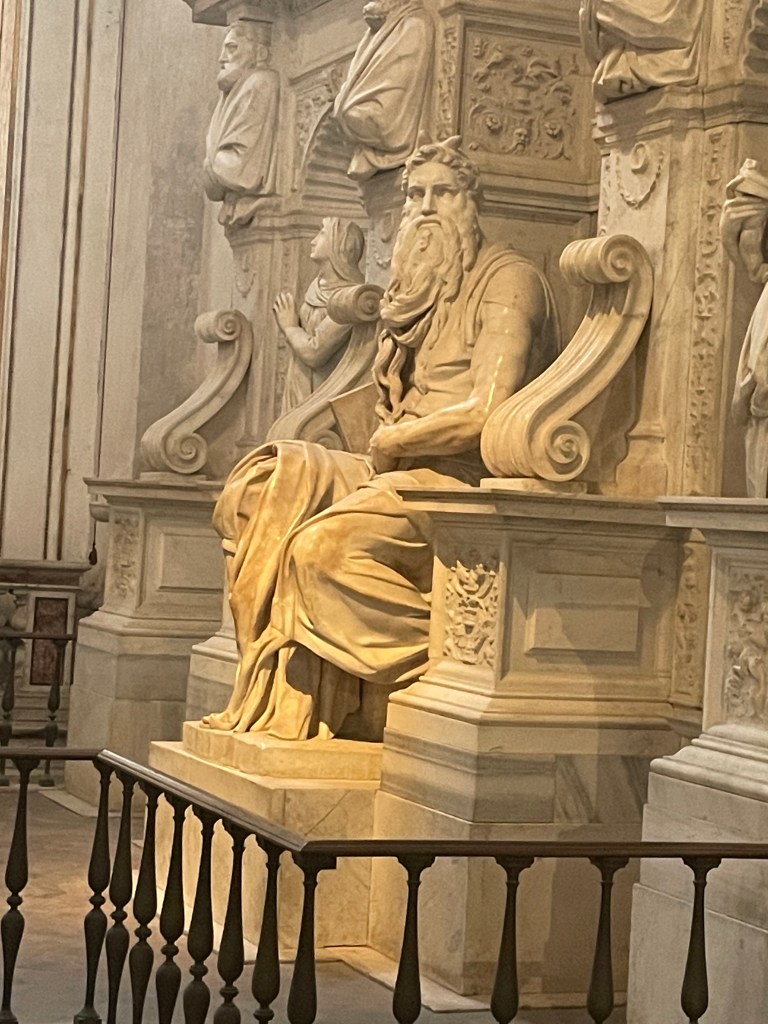
The Basilica of San Pietro in Vincoli houses the chains that kept the apostle Peter bound in Jerusalem, but it is most famous for having one of the masterpieces of Renaissance art: Michelangelo’s Moses, the colossal statue sculpted in 1513, to adorn the funeral monument of Julius II. Entrance to the basilica is free, but be sure to check their hours. You can also attend mass, if you would like that experience.

If you are interested in Christian history, the Mamertine Prison (or Carcer Tullianum) is the oldest prison in Rome, and it is where the apostles Peter and Paul lived their last days before being martyred. You can buy tickets at the entrance or book an audio tour beforehand. It’s a little tricky to find, so keep your eyes open.
About 10 minutes south out of Rome city center, you can check out the Catacombs, the largest underground cemetery in Rome where around half a million Christians were buried, including several martyrs and 16 popes. There is a cost to enter, so be sure to look at ticket prices or book a tour.
- While it’s not a site to see, I would HIGHLY recommend doing a pasta or pizza making class while in Rome. It’s a family-friendly activity, and it was a lot of fun to make the pasta and then get to eat the delicious meal. There are many different options, based your price point and schedule. Get Your Guide or Viator have similar options of the classes available. There are also private or personal classes, so look online for all the options and find one that best suits you.
Now here are some places that might not be worth the effort…
First of all, there isn’t an easy way to get to a beach from Rome. We were told Fregene Beach was the best option, but the public transportation was complicated and not straight forward, so we ended up needing to pay a taxi to return back to the city center. It’s not worth going to a beach in Rome unless you’ve seen everything you want in the city and have a whole day to spend at the beach.
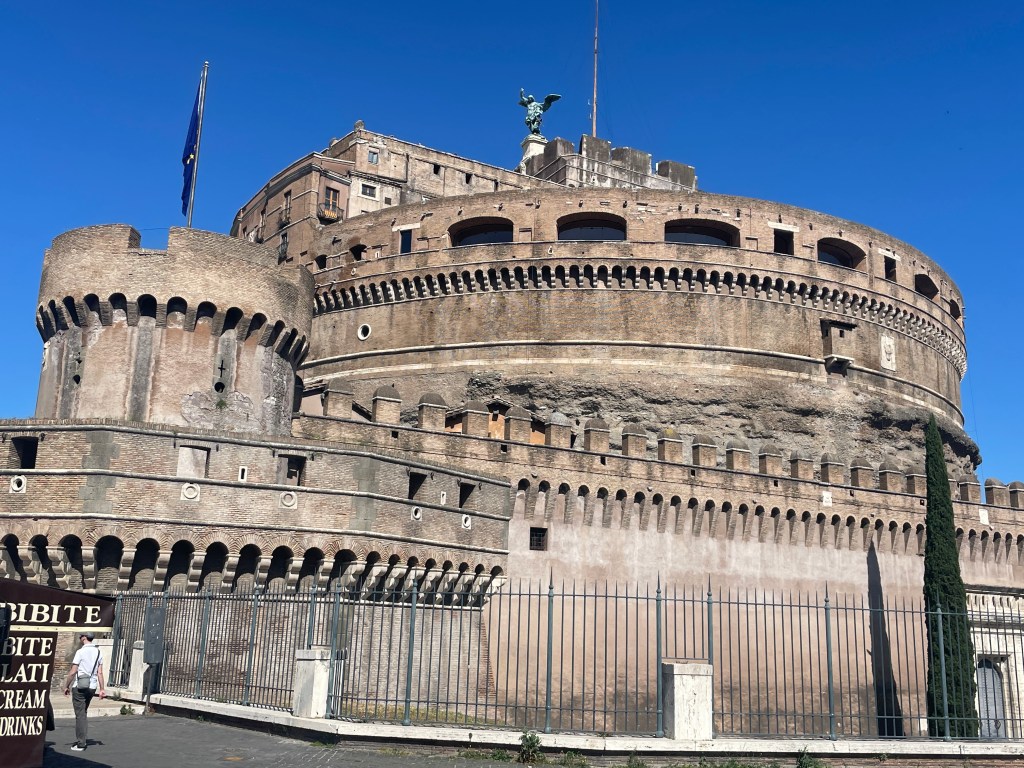
Castel Sant’Angelo is closed on Mondays, so we were unable to go, but we have heard mixed reviews about if it’s worth visiting. Originally, it was a mausoleum for Roman Emperor Hadrian. Then it was transformed into a fortress, then a prison, and now a historical attraction. It does have beautiful architecture and artwork, but these things can be seen in other museums throughout Rome. The unique thing is that the castle corridor leads directly to the Vatican palace, so the popes had an escape route to the fortress in times of unrest. If you have time, maybe check it out, but if not, reviews say you don’t miss much.
Ponte Sisto is one of Rome’s most popular pedestrian bridges connecting Campo de’ Fiori and Trastavere. Campo de’ Fiori means “field of flowers“, a name derived from the Middle Ages when the area was still a meadow full of flowers. It’s a local market with local vendors. It’s not exciting, but you can get a taste of the local atmosphere. Ponte Sisto is the closet bridge to get to the Trastavere area, but even Trastavere was anti-climactic. We spent a lot of time just wandering around the neighborhoods. If you decide you want to wonder around, check out this blog post about what to see. Really, you can check out any of the other bridges that cross the Tiber River as you are walking around Rome, so need to stress about seeing Ponte Sisto or these areas specifically.
Circus Maximus used to be a really cool place, but it seems to have been deserted for quite some time. You can see the remnants of the ancient chariot-racing stadium and imagine how magnificent it was in Roman times. It’s still used as a concert or event venue, but just walking past wasn’t worth the extra time it took to get there. You can google it to see the photos, and that’s about the same as what you see in person.
The blog posts mentioned above are from other websites, and they are in no way connected to me, but I found the information interesting, and wanted to share.

 Traveling Tribe